
- Doctor-led care in Melbourne since 2005, two decades of clinical experience
- The full range of tightening technologies under one roof, matched to your skin
- Honest comparison of your options, including when tightening isn’t the answer
- Natural-looking firming that ages well, never a pulled or frozen look
Copy to come — this text is still being written.
What is skin laxity?
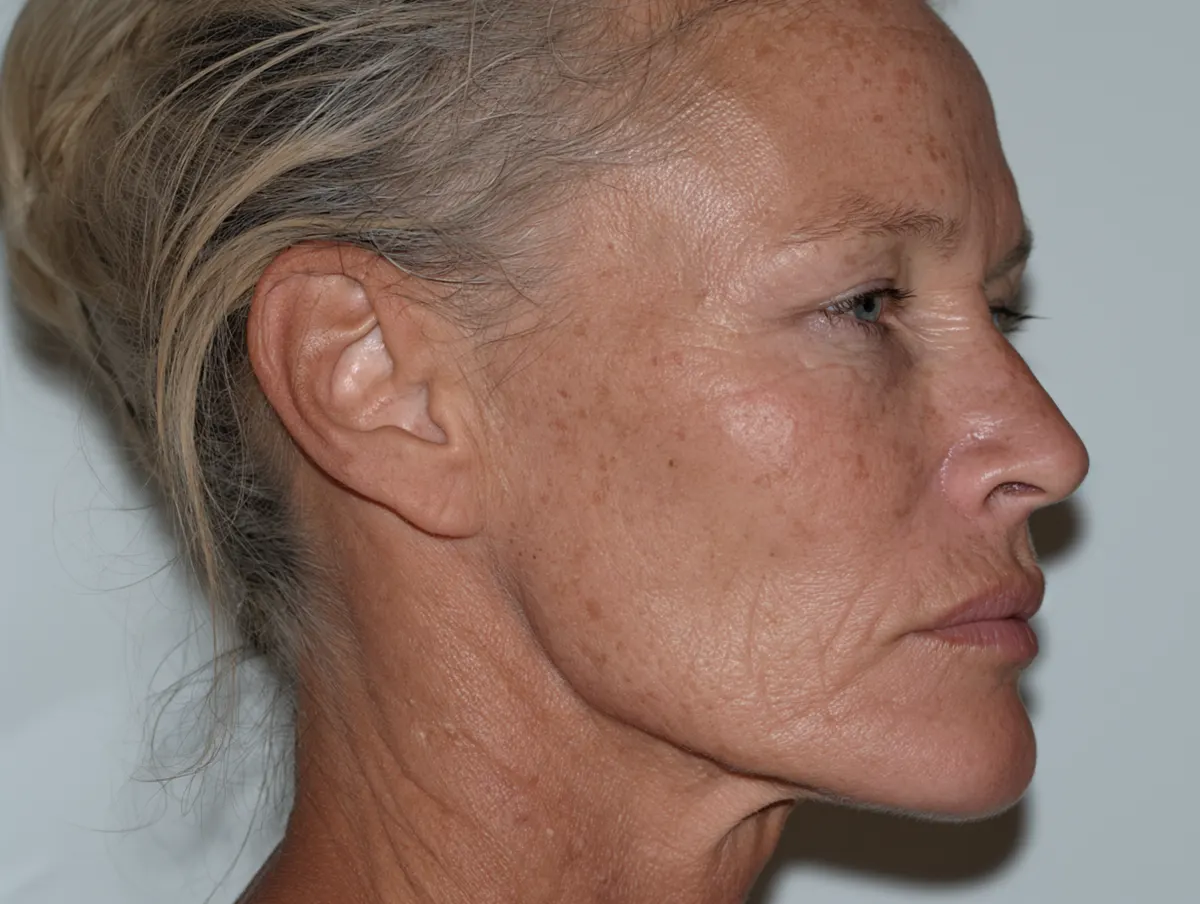
Skin laxity is the gradual loss of firmness and elasticity that develops as collagen and elastin decline. Collagen, elastin, and hyaluronic acid in the dermis form a support structure for the skin’s surface. As their production decreases with age and environmental factors, the skin loses that support, and the result is the loose or sagging appearance we recognise as laxity.
It generally becomes noticeable between the ages of 40 and 50, and is most often seen around the jawline, neck, and under the eyes. Understanding that laxity comes from this loss of internal support is the first step, because it explains why treatment focuses on rebuilding collagen rather than simply working on the surface.
What causes skin laxity?
Copy to come — this text is still being written.
Who gets skin laxity?
Copy to come — this text is still being written.
Where we treat skin laxity: face, jowls, neck and body
Skin laxity shows up in different areas, and recognising where yours is helps guide the right treatment.
-
Cheeks and mid-face
Often where laxity first appears, as loss of support lets the mid-face soften and flatten.
-
Jawline and jowls
As firmness is lost along the lower face, the jawline blurs and jowls can begin to form. Where jowls are the main concern, our jowl reduction options target this area specifically.
-
Under the chin and neck
Loose skin under the chin and across the neck is one of the most common and most requested areas, and often one of the first places people notice change.
-
Around the eyes and brow
Fine, loose skin and a heavier brow can develop here, softening the eye area.
-
Body areas
Laxity isn’t limited to the face. Loose skin on the neck, arms, abdomen, and other areas can also be firmed with the right technology.
Recommended skin tightening treatments in Melbourne
We match the treatment to your skin and the degree of laxity, rather than fitting you to a single device. Most plans use one technology, though some combine a few for the best result. The comparison guide below helps you see how they differ.
Ultherapy Prime
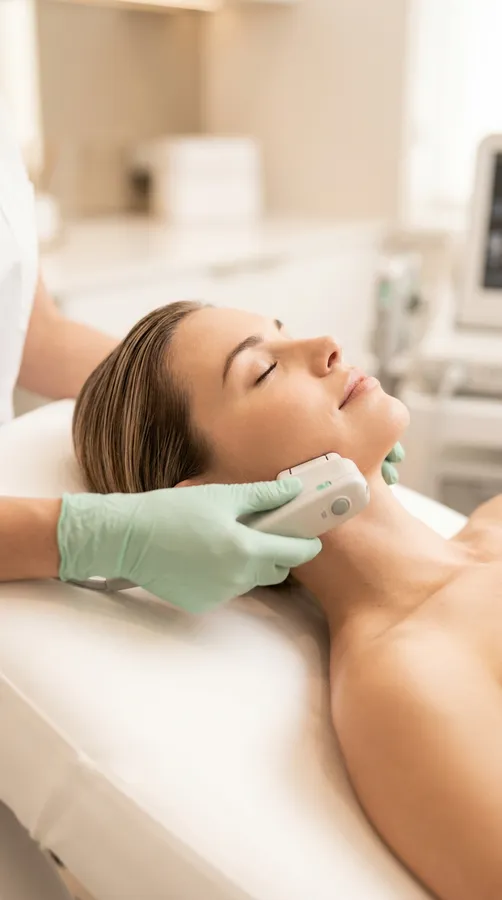
Focused ultrasound energy that lifts and tightens the deeper structural layers of the face, stimulating your own collagen production for gradual firming over months.
Emface
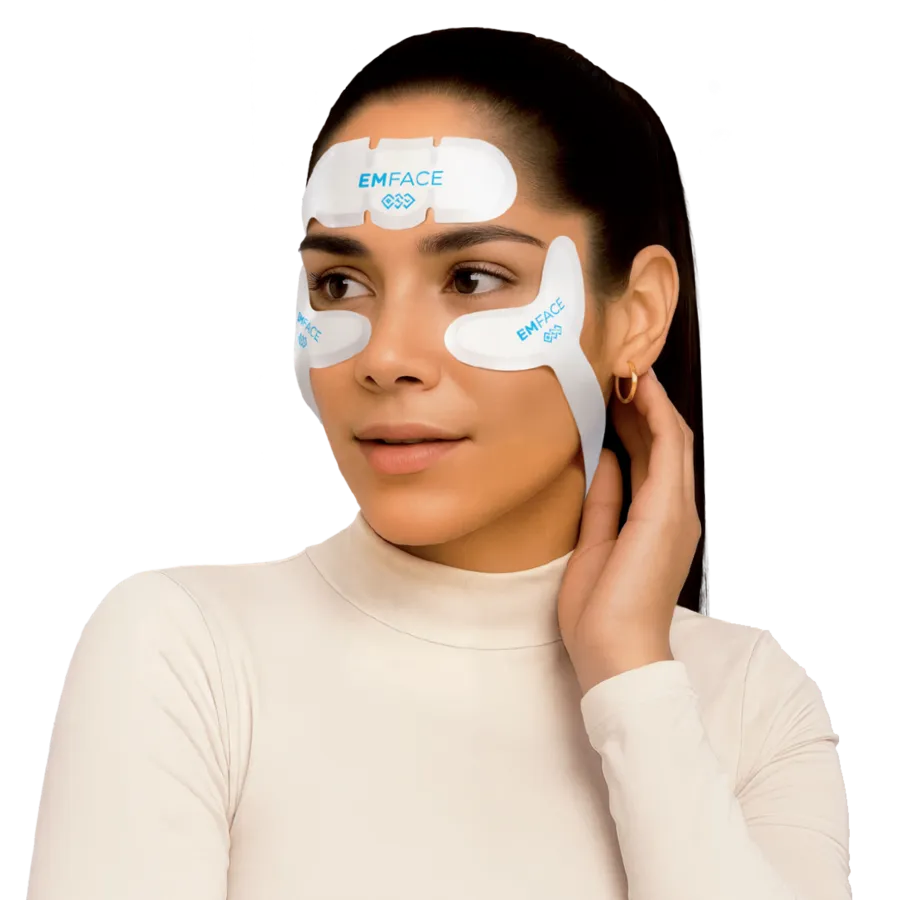
A non-invasive facial treatment that uses radiofrequency and muscle stimulation simultaneously to tone facial muscles and improve skin quality without needles or downtime.

Exion RF Ultrasound
Combines radiofrequency and ultrasound energy to target skin laxity and firmness in the face, stimulating collagen and elastin production at multiple depths without needles.
Exion RF Needling
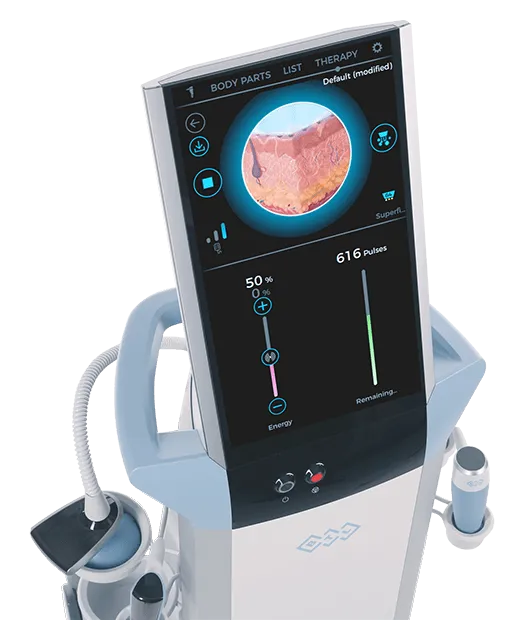
Combines radiofrequency energy with microneedling to stimulate collagen deep within the skin, targeting texture, firmness, fine lines, and acne scarring.
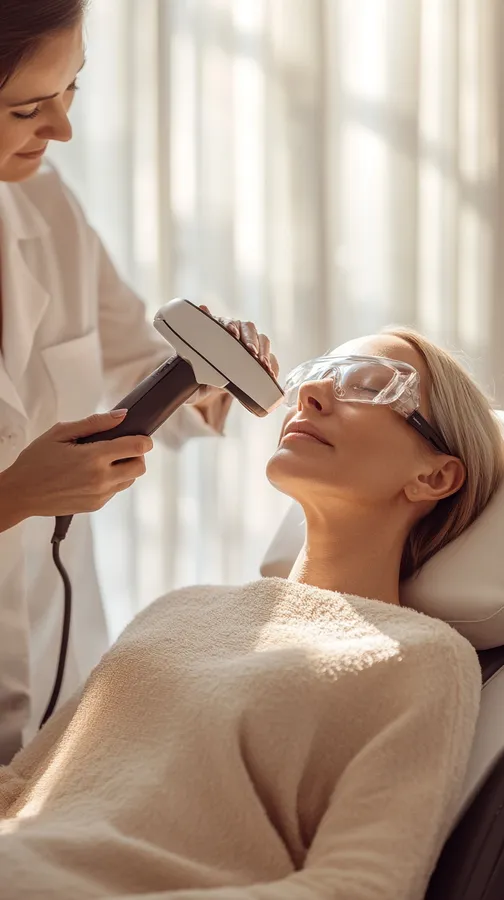
Fotona Laser
A multi-stage laser treatment that improves skin quality and stimulates collagen — addressing static wrinkles at the surface and below.
Threads
Fine, dissolvable threads placed beneath the skin to lift, support, and stimulate collagen production in areas where structure and definition have softened.

An ablative resurfacing laser that removes damaged outer skin and stimulates significant collagen renewal beneath, used for deeper scarring, sun damage, and skin texture concerns.

A thermo-mechanical skin resurfacing treatment that uses controlled heat to improve texture, tone, and fine lines without traditional laser energy.
How to choose the right skin tightening treatment
With several technologies available, the right choice comes down to the degree of laxity you have, the area being treated, your skin quality, and how much downtime suits your life. No single treatment is best for everyone, which is exactly why we compare your options honestly at consultation. As a general guide:
| Treatment | Degree of laxity | Downtime | Sessions |
|---|---|---|---|
| EmFace | Early laxity, muscle tone | None | A course |
| Exion RF Ultrasound | Early to moderate, dehydrated skin | None | A course |
| Exion RF Needling | With fine lines and texture | Minimal, temporary redness | A course |
| Ultherapy Prime | Moderate, wanting a deeper lift | Little to none | Often single + maintenance |
| Tixel | Mild, with texture | Minimal | Short course |
| Fotona 4D | With texture and tone | Minimal | A course |
| Thread lift | Moderate, established sagging | About one week | As needed |
| CO2 resurfacing | Advanced, with sun damage | About two weeks | Usually single |
The most effective skin tightening treatment
There’s no single most effective treatment, because the right one depends on the degree of laxity, the area, your skin quality, and how much downtime suits you. Early laxity often responds well to energy-based treatments like EmFace or Exion, while more established sagging may need Ultherapy Prime, threads, or resurfacing. Working out which suits you is exactly what the consultation determines.
We’ll also be honest about the limits: advanced laxity with significant loose skin may be better served by a surgical option elsewhere, and if that’s the case, we’ll tell you rather than oversell a non-surgical result that won’t meet your expectations.
Can skin tightening replace a face lift?
For mild to moderate laxity, a combination of tightening treatments can achieve a refreshed, lifted look without surgery, which is how we approach a non-surgical face lift: a tailored plan that layers the right technologies for your skin rather than relying on one device. For significant excess or loose skin, though, a surgical face lift does what energy devices cannot, and we’ll say so honestly. The right answer depends on how much laxity you have, which is what your consultation works out.
Benefits of skin tightening treatment
- 1 Firmer, lifted-looking skin without surgery
- 2 Gradual, natural-looking improvement that ages well
- 3 Little to no downtime for most options
- 4 Treatments matched to your skin, not one device for everyone
- 5 Doctor-led assessment and care, with your safety the priority
Who is skin tightening treatment for?
Skin tightening suits adults with mild to moderate laxity who want to firm and lift without surgery, whether that’s a softening jawline, early jowls, loose skin on the neck, or a general loss of firmness. It’s suitable across a range of ages and skin types, and works both to correct existing laxity and to support the skin over time.
The honest starting point is a consultation, where we work out whether laxity, volume loss, or both are driving the change, because that determines whether tightening is the right answer for you.
Who it’s not for
We’re upfront about when tightening isn’t the right answer. Advanced laxity with significant excess skin usually needs a surgical opinion, and we’ll say so rather than treat you anyway. Treatment is also deferred during pregnancy, with certain medical conditions, or where there’s an active skin infection. Suitability is always confirmed at your consultation.
What to expect at your skin tightening consultation
Your first visit is a consultation, not a treatment. It’s a chance to understand what’s driving the change in your skin and decide together what makes sense, with no pressure to proceed. Here’s what happens:
-
Skin assessment
VISIA analysis and clinical photography to map your laxity, volume, and skin quality objectively.
-
Understanding the cause
Working out whether laxity, volume loss, or both are driving the change, because each has a different answer.
-
An honest comparison of your options
Which technology suits your skin and degree of laxity, and what won’t help.
-
A tailored plan
The right treatment, number of sessions, and realistic timeframes for your skin.
-
Aftercare and reviews
Support and progress tracking after treatment.


Results from our skin tightening treatments
Copy to come — this text is still being written.
Downtime and recovery
Copy to come — this text is still being written.
Preventing skin laxity and caring for your skin at home
A good skincare routine supports your results and helps slow further laxity. The honest truth is that skincare can support and maintain firmer skin, but it can’t lift laxity that’s already established, that’s what treatment is for. The ingredients worth knowing:
-
Retinoids
Support collagen production and cell turnover, one of the most evidence-backed anti-ageing ingredients.
-
Peptides
Signal the skin to produce more collagen.
-
Hyaluronic acid
Draws moisture into the skin, improving plumpness and the appearance of firmness.
-
Vitamin C
An antioxidant that supports collagen and protects against environmental damage.
-
AHAs
Improve texture and help active ingredients absorb more effectively.
-
Daily SPF
The single most important step, since sun exposure is one of the largest causes of laxity, and daily protection prevents further collagen breakdown.
How much does skin tightening treatment cost in Melbourne?
The cost of skin tightening depends on the technology used, the area being treated, the number of sessions in your course, and any maintenance over time. Energy-based treatments like EmFace and Exion are typically priced per session and planned as a course, while treatments like Ultherapy Prime are often a single session with periodic maintenance.
Because every plan is matched to your skin and the degree of laxity, there’s no single fixed price, but we’re always clear and upfront about costs before you proceed. At your consultation, we’ll assess your skin, recommend the right approach, and give you a clear breakdown so you can make an informed decision, with no pressure and no surprises.
Safety, risks and side effects
Skin tightening treatments are generally well tolerated when performed by experienced doctors. The risks vary by technology: energy-based treatments can cause temporary redness or swelling, and rarely a burn if not carefully controlled; thread lifts can cause bruising or swelling; and resurfacing lasers involve managed redness as the skin heals. At VCI, treatments are chosen and overseen by doctors and matched to your skin, not sold by device, which is central to how we keep treatment both safe and effective. Your practitioner will discuss the specific risks of any recommended treatment before you begin.





Meet our doctors
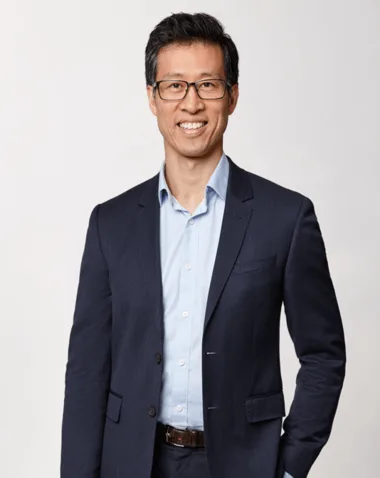
Victorian Cosmetic Institute is a doctor-led practice, founded in 2005 by Dr Gavin Chan (MBBS, registration MED0001175745). Our multidisciplinary team of doctors, cosmetic nurses, and skin therapists works from our clinic in Templestowe Lower, in Melbourne’s east.
Skin laxity is assessed by a doctor, considering the whole picture, including your skin health and hormones, and how your face may change in the years ahead, so the plan we recommend makes sense not just now but for your future.

“Good cosmetic medicine starts with good information.”
Why choose VCI for skin tightening in Melbourne
- 1 Doctor-led care in Melbourne since 2005, two decades of clinical experience
- 2 A multi-layered approach that treats every layer of laxity, the skin, the tissue beneath, and the support structures, rather than one device on the surface
- 3 The full range of tightening technologies under one roof, we match the treatment to you, not you to a device
- 4 An honest philosophy: we don’t use volume as a substitute for lifting, and we’ll tell you when tightening isn’t the answer
- 5 Objective assessment with VISIA imaging before any treatment
- 6 A focus on skin health for lasting results, because the work you do now benefits your future self
What our patients say
Our patients regularly share their experience of the care and service they receive with us.

What is the most recommended skin tightening treatment?
There’s no single most recommended treatment, because the right one depends on your degree of laxity, the area, and your skin. Ultherapy Prime is well regarded for a deeper lift, while EmFace and Exion suit earlier laxity with no downtime. The most recommended treatment for you is the one matched to your skin at consultation.
How long does skin tightening last?
It depends on the treatment and your skin. Collagen-based tightening builds over two to three months and the results are maintained over time rather than being permanent, as your skin continues to age. Most people keep their results with periodic maintenance treatments, and good skincare and sun protection help them last.
Is there downtime with skin tightening treatments?
It varies. EmFace and Exion RF Ultrasound have essentially no downtime, so you can return to your day straight away. RF needling and laser options involve short-lived redness, threads about a week of possible swelling, and CO2 resurfacing the most recovery, around two weeks. We’ll match the option to the downtime that suits you.
Can you really tighten loose, saggy skin without surgery?
Yes, for mild to moderate laxity. Energy-based treatments stimulate collagen to firm and lift the skin gradually, and combined treatments can achieve a refreshed, lifted look without surgery. For significant excess skin, though, a surgical lift does what non-surgical treatments cannot, and we’ll be honest with you about which applies.
How do I know if I have skin laxity?
Skin laxity shows as a loss of firmness: a softening jawline, early jowls, loose skin on the neck, or skin that feels less taut than it used to. If you’re noticing these changes, a consultation with VISIA analysis can objectively assess your skin and confirm whether laxity, volume loss, or both are driving it.
What areas can be treated?
Skin tightening can treat the cheeks and mid-face, the jawline and jowls, under the chin and neck, and the area around the eyes and brow. The right technology depends on the area and the degree of laxity, which we assess at your consultation.
How many sessions will I need?
It depends on the treatment and your skin. Some treatments, like Ultherapy Prime, are often a single session with periodic maintenance, while energy-based treatments like EmFace and Exion are usually planned as a course. Your consultation will set out a clear plan and realistic timeframes.
How much does skin tightening cost in Melbourne?
The cost depends on the technology used, the area treated, and the number of sessions in your plan. Because every plan is tailored, the total varies from person to person. At your consultation, we’ll give you a clear breakdown of the costs before you decide, with no pressure to proceed.