Living with acne scarring can be frustrating, especially after trying products that promised results but never delivered. At Victorian Cosmetic Institute, we’ve offered doctor-led acne scar treatment since 2005, with medical-grade options matched to your specific scar type. Because no two people scar the same way, the right plan always starts with identifying the type of scarring you have.
What is acne scarring?
Acne scarring refers to the lasting textural changes in the skin, either indentations or raised areas, that remain after deeper acne lesions have healed. Unlike temporary post-acne marks such as redness or pigmentation, which usually fade on their own over time, true acne scars are permanent changes to the skin’s structure that don’t resolve without treatment.
They form when the skin’s healing process is disrupted, affecting how collagen is produced as the skin repairs. Understanding whether you have true scarring or temporary marks is the first step, because the two are treated very differently.
What causes acne scars?
Acne scars form when deeper or inflamed acne disrupts the skin’s normal healing process. When the skin produces too little collagen as it repairs, the result is a depression or indentation, known as an atrophic scar. When it produces too much, the result is a raised scar, known as hypertrophic or keloid scarring.
Several factors increase the likelihood of scarring, including the severity of the acne, picking or squeezing lesions, and delayed treatment of active acne. The deeper and more inflamed the original breakout, the greater the chance it leaves a lasting scar.
Who gets acne scars?
Anyone who experiences acne can develop scarring, but it’s more likely after moderate to severe or cystic acne, when breakouts are picked or squeezed, or when active acne goes untreated for a long time. There can also be a genetic tendency to scar. If you’re dealing with acne scarring, you’re far from alone, it’s one of the most common concerns we see.
Types of acne scars
Acne scars aren’t all the same, and identifying which type you have is essential to choosing the right treatment. Most people have a combination of types.
Ice pick scars
Narrow, deep, V-shaped pits that look like a small puncture in the skin. They’re the most common on the cheeks and are the hardest to treat with surface methods, because they extend deep into the skin.
Boxcar scars
Wider depressions with sharp, well-defined edges, often found on the cheeks and temples. They can be shallow or deep, and their defined borders make them respond differently to treatment than sloping scars.
Rolling scars
Shallow, wave-like depressions with sloping edges that give the skin an uneven, undulating look. They’re caused by bands of tissue beneath the skin that tether the surface down.
Atrophic (depressed) scars
The general group of sunken scars caused by a loss of collagen during healing. Ice pick, boxcar, and rolling scars are all types of atrophic scarring, the most common category of acne scar.
Hypertrophic and keloid scars
Raised scars caused by an excess of collagen during healing. They’re more common on the jawline, chest, and back, and are treated differently to depressed scars.
Post-acne marks (redness and pigmentation)
Flat red marks (known as PIE) or brown marks (known as PIH) left after a breakout. These aren’t true scars and usually fade over time, though treatment can help speed up the process.
Acne severity grading
Acne scarring is also graded by severity, from Grade 1 to Grade 4:
- Grade 1 Flat marks, redness, or pigmentation, no true textural scarring
- Grade 2 Mild scarring, visible up close but easily covered
- Grade 3 Moderate scarring, visible at conversational distance
- Grade 4 Severe scarring, clearly visible with significant texture change
- Atrophic depressions
- Enlarged pore appearance
Which treatment for which acne scar?
Because most people have a mix of scar types, treatment is rarely one single method. Your practitioner will assess exactly what you have and match the right combination to your skin.
| Scar Type | What it looks like | Common Treatments |
|---|---|---|
| Ice pick | Narrow, deep, V-shaped pits | TCA CROSS, fractional laser resurfacing |
| Boxcar | Wider depressions, sharp edges | Subcision, RF needling, fractional CO2 or Fraxel laser |
| Rolling | Shallow, wave-like, sloping edges | Subcision, skin needling, RF needling |
| Atrophic (general) | Sunken scars from collagen loss | Skin needling, RF needling, resurfacing lasers |
| Hypertrophic / keloid | Raised, excess collagen | A different approach, see our keloid and hypertrophic scarring page |
| Post-acne marks | Flat red or brown marks, not true scars | TCA CROSS, fractional laser resurfacing |
Recommended acne scar treatments in Melbourne
We match treatment to your scar type, your skin, and what’s realistic to achieve. Most plans combine more than one approach, staged over time. Every plan is confirmed after a proper scar assessment at your consultation.
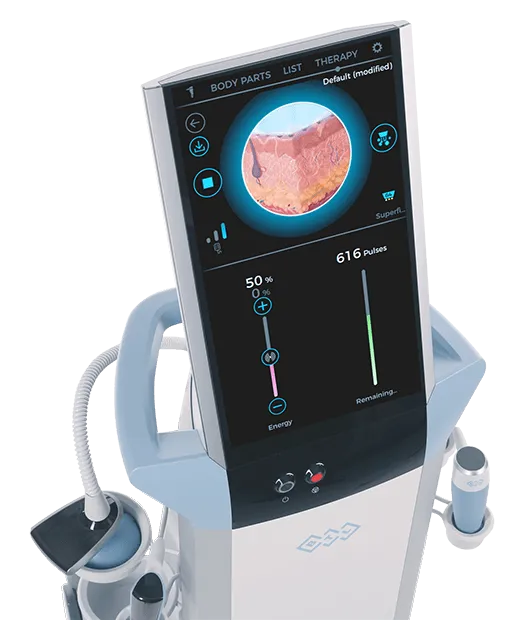
Exion RF Needling
Combines radiofrequency energy with microneedling to stimulate collagen deep within the skin, targeting texture, firmness, fine lines, and acne scarring.
TCA Cross
A targeted technique using high-concentration trichloroacetic acid applied directly into individual ice pick and deep boxcar acne scars to stimulate collagen from within each scar.
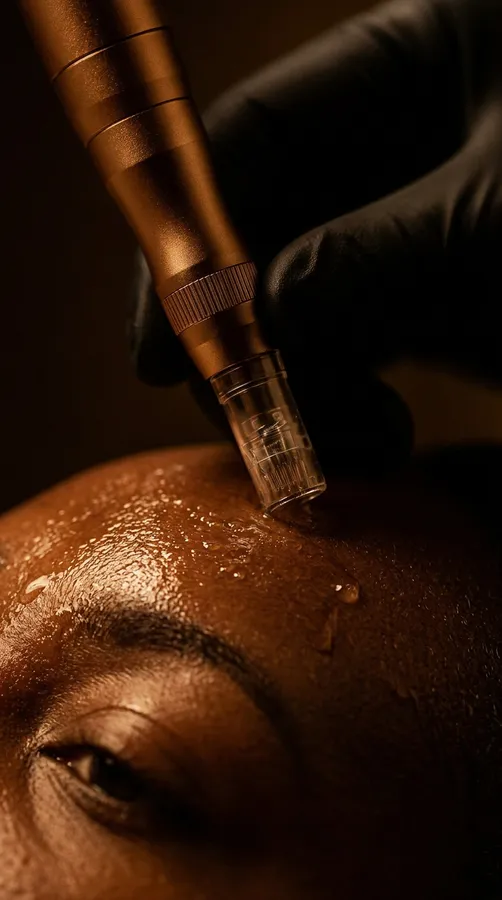
Skin Needling
Stimulates collagen production through controlled micro-injuries, improving skin texture and softening fine static wrinkles over time.
The most effective treatment for acne scars
There’s no single most effective treatment for acne scars, because the right approach depends on the type of scar, its severity, and your skin type. Ice pick scars respond to different treatments than rolling or boxcar scars, and most people have a combination. For this reason, the most effective plans usually combine more than one treatment, staged over several sessions.
What matters most is a proper scar assessment, which is exactly what your consultation is for. Rather than a fixed package, your plan is matched to your scarring and your skin, so the treatment you receive is the one most likely to help.
Benefits of acne scar treatment
- 1 Smoother, more even skin texture over a course of treatment
- 2 Improvement that builds gradually and lasts
- 3 Treatment matched to your specific scar type, not a one-size approach
- 4 Doctor-led care for safety on a sensitive area of skin
- 5 Options suited to a range of skin types and tones
Who is acne scar treatment for?
Acne scar treatment is best started once active acne is well controlled and scars have matured. Treating scars while acne is still active can lead to further scarring, so we’ll often recommend settling the acne first. Skin type matters too.
Some lasers carry a higher risk of pigmentation in darker skin tones, so the right device and settings, or a needling-based approach, may be chosen instead. Any contraindications are checked carefully at your consultation, and we’ll always be honest if treatment isn’t right for you yet.
What to expect at your acne scar treatment consultation
Your first visit is a consultation, not a treatment. It’s a chance to understand your scarring properly and decide together what makes sense, with no pressure to proceed. Here’s what happens:
-
Scar assessment and skin analysis
A close look at your skin using Visia analysis and clinical photography, so we understand exactly what we’re treating.
-
Identifying your scar type and skin type
Establishing which scars you have and how your skin is likely to respond, so the plan is matched to you.
-
An honest discussion of your options
Which treatments suit your scarring, and which won’t.
-
A tailored, staged treatment plan
Often a combination of treatments over several sessions, matched to your scar type and goals.
-
Aftercare and complimentary reviews
Ongoing support and progress tracking as your treatment continues.

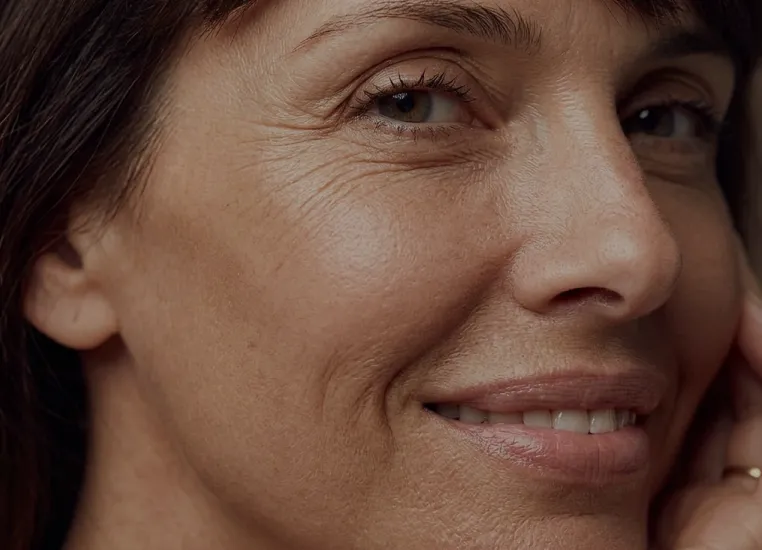
Results from our acne scar treatments
Acne scar results are gradual and build over a course of treatment rather than appearing after a single session. Scars are significantly improved and softened rather than fully erased, and how much improvement is possible depends on the scar type, its severity, and your skin.
Atrophic scars often respond well over time, while deeper scars may need more sessions and a combination of treatments. We measure your progress along the way using clinical photography, so you can see the change objectively rather than relying on memory. Individual results vary. A consultation is required to determine treatment suitability.
Downtime and recovery
Downtime depends on the treatment. Needling treatments, including skin needling and RF needling, usually involve a day or two of redness, similar to mild sunburn. Resurfacing treatments involve more recovery, with redness and flaking over several days to a week, depending on the depth.
Chemical peels vary from minimal downtime to a few days of flaking. TCA CROSS involves small, localised scabs on the treated scars that settle over about a week. Most treatments are done as a course, spaced several weeks apart. Simple aftercare, including diligent sun protection and gentle skincare, supports healing and protects your results.

How much does acne scar treatment cost?
The cost of acne scar treatment depends on the scar type and severity, the treatments chosen, and the number of sessions in your plan. Because acne scarring is almost always treated as a staged course rather than a single session, the total investment varies from person to person.
Some treatments are priced per session, while others are planned as a package over several months. At your consultation, we’ll assess your scarring, recommend a plan suited to your skin, and give you a clear breakdown of the costs involved before you decide, so there are no surprises and no pressure to proceed.
Safety, risks and side effects
Acne scar treatments are generally well tolerated when performed by experienced doctors. Because scarring is a sensitive concern, we match the device and settings carefully to your skin type, which is particularly important for darker skin tones where some treatments carry a higher risk of pigmentation.
Common side effects are usually mild and temporary, and can include redness, swelling, and short-term pigment changes. More significant complications are uncommon. Your practitioner will discuss the specific risks of any recommended treatment honestly before you begin, so you can make an informed decision.
Preventing acne scars
The most effective way to prevent acne scarring is to manage active acne early, before it has a chance to scar. A few things genuinely help:
-
Treat early
Treat acne early, rather than waiting for it to settle on its own
-
Don’t pick
Avoid picking or squeezing breakouts, which increases the risk of scarring
-
Protect from sun
Protect your skin from the sun, as UV exposure can worsen marks and pigmentation
-
Seek help early
See a clinician for persistent, painful, or cystic acne before it causes lasting damage
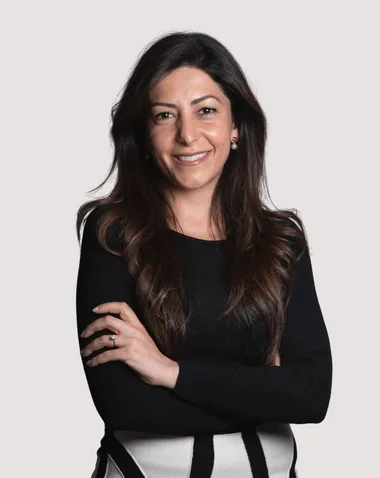





Meet our doctors
Victorian Cosmetic Institute is a doctor-led practice, founded in 2005 by Dr Gavin Chan (MBBS, registration MED0001175745). Our multidisciplinary team brings together doctors, cosmetic nurses, and skin therapists, working to the same considered, measurement-led philosophy. Every wrinkle treatment plan is guided by genuine clinical experience and a focus on natural-looking results that age well.

“Good cosmetic medicine starts with good information.”
Why choose VCI for acne scar treatment
- 1 Doctor-led care since 2005, with two decades of clinical experience
- 2 The full range of medical-grade options under one roof, from needling to resurfacing and peels
- 3 Treatment matched to your scar type and skin type, not a one-size package
- 4 A multidisciplinary team of doctors, cosmetic nurses, and skin therapists
- 5 Honest, consultation-led plans, with complimentary reviews to track your progress
What our patients say
Our patients regularly share their experience of the care and service they receive with us.
How do you get rid of acne scars?
Acne scars are treated with a combination of medical-grade options, including skin needling, RF needling, resurfacing lasers, TCA CROSS, and chemical peels. The right treatment depends on your scar type. Most plans combine more than one approach, staged over several sessions. Scars are significantly improved and softened rather than fully erased, and a proper assessment at consultation determines the best plan for your skin.
Can acne scars be removed permanently?
Acne scars can be significantly improved and softened, but it’s more accurate to talk about improvement than permanent removal. True scars are changes to the skin’s structure, and while treatment can reduce their appearance considerably, most scars are improved rather than erased entirely. We’ll always be honest about what’s realistically achievable for your specific scarring.
Which acne scar treatment is right for me?
It depends on the type of scars you have. Ice pick scars often respond to TCA CROSS, while rolling and boxcar scars are usually treated with needling or resurfacing. Most people have a mix, so a combination is common. The right plan is confirmed after a proper scar assessment at your consultation.
How many sessions do you need for acne scars?
Acne scarring is almost always treated as a course rather than a single session. The number depends on the scar type, severity, and treatments used, and is confirmed at your consultation. Improvement builds gradually across the course, with sessions usually spaced several weeks apart to allow the skin to heal between treatments.
How long does acne scar treatment take to work?
Results are gradual and build over time. Because most treatments work by stimulating collagen and skin renewal, improvement develops over weeks to months rather than immediately. Some change may be visible after the first few sessions, with more meaningful improvement as the full course progresses and the skin continues to remodel.
What should I expect after acne scar treatment?
It depends on the treatment. Needling usually involves a day or two of redness, while resurfacing treatments involve several days of redness and flaking. Your practitioner will give you specific aftercare, which typically includes diligent sun protection and gentle skincare. Following your aftercare closely supports healing and protects your results.
Does acne scar treatment work on all skin types?
Yes, but treatment selection matters. Some lasers carry a higher risk of pigmentation in darker skin tones, so the right device and settings, or a needling-based approach, may be chosen instead. We assess your skin type carefully and match the treatment accordingly, so care is suited to your skin.
How much does acne scar treatment cost in Melbourne?
The cost depends on the scar type and severity, the treatments chosen, and the number of sessions in your plan. Because acne scarring is treated as a staged course, the total varies from person to person. At your consultation, we’ll give you a clear breakdown of the costs before you decide, with no pressure to proceed.