
- All pigmentation types, from sun spots and freckles to melasma
- Medical-grade options: IPL, Excel V+, Ruby and Fraxel lasers, peels
- Treatment matched to your pigment type and skin type
- Safe, considered options for olive and darker skin tones
- Honest, doctor-led advice, including when laser isn’t right
Living with uneven skin tone, stubborn brown patches, sun spots, or melasma can be frustrating, especially when serums and SPF haven’t shifted it. At Victorian Cosmetic Institute, we’ve offered doctor-led pigmentation treatment since 2005, with a full range of medical-grade options matched to your type of pigmentation and your skin.
The right plan starts with correctly identifying the pigment, because some types, like melasma, need a careful approach rather than aggressive laser.
What is skin pigmentation?
Skin pigmentation refers to patches or spots of skin that are darker, or occasionally lighter, than the surrounding skin, caused by uneven melanin. Melanin is the pigment that gives skin its colour, produced by cells called melanocytes. When these cells are triggered by things like sun exposure or hormones, they can overproduce melanin in patches, creating the darker areas we recognise as pigmentation.
It’s worth understanding that surface (epidermal) pigment, which sits in the upper layers of the skin, tends to respond well to treatment, while deeper (dermal) pigment, such as some melasma, is more stubborn and harder to shift.
What causes skin pigmentation?
Pigmentation has a few main causes, and often more than one is involved:
-
Sun and UV exposure
The biggest cause by far, behind most sun spots and age spots.
-
Hormones
Hormonal changes, often after pregnancy or with the contraceptive pill, are the main driver of melasma.
-
Inflammation and skin trauma
Post-acne marks and post-inflammatory hyperpigmentation follow breakouts, injury, or irritation.
-
Ageing
Cumulative sun exposure over the years makes pigmentation more common with age.
-
Genetics
Some people are simply more prone to pigmentation than others.
Who gets skin pigmentation?
Almost everyone develops some pigmentation with age and sun exposure, and it’s most common and most visible on sun-exposed areas like the face, neck, décolletage, and hands. Melasma is more common in women and in olive or darker skin, while post-inflammatory pigment is more common after acne or skin injury, especially in darker skin tones. If you’re dealing with pigmentation, you’re in very common company, and it’s very treatable.
Types of skin pigmentation
Pigmentation comes in several forms, and identifying which type you have is the key to treating it well, because they don’t all respond to the same approach.
Sun spots and solar lentigines
Flat brown spots from cumulative sun exposure, usually on the face, hands, and décolletage. Among the most responsive to treatment.
Age spots (liver spots)
The same family of sun-related flat brown marks that become more common with age. Surface pigment that generally responds well.
Freckles
Small, flat tan or brown spots that often darken with sun. Common in fair skin and can be lightened, though they may return with sun exposure.
Melasma (chloasma)
Larger, often symmetrical brown or grey-brown patches, usually hormonal and made worse by sun and heat. Stubborn and prone to flaring, so it needs a careful, lower-risk approach.
Post-inflammatory hyperpigmentation (PIH)
Flat brown or grey marks left after acne, injury, or inflammation. More common and more persistent in darker skin tones.
Seborrhoeic keratosis
Raised, waxy, benign brown growths, rather than flat pigment. These are treated differently, so we’ll direct these to the right treatment rather than the pigment lasers.
Brown and red birthmarks
Congenital pigment marks and vascular birthmarks, assessed individually and treated with the appropriate pigment or vascular treatment.
There are also rarer forms of pigmentation, such as Hori’s macules and nevus of ota, which are assessed and treated individually. Because the different types respond so differently, identifying yours is the first step, which leads into the guide below.
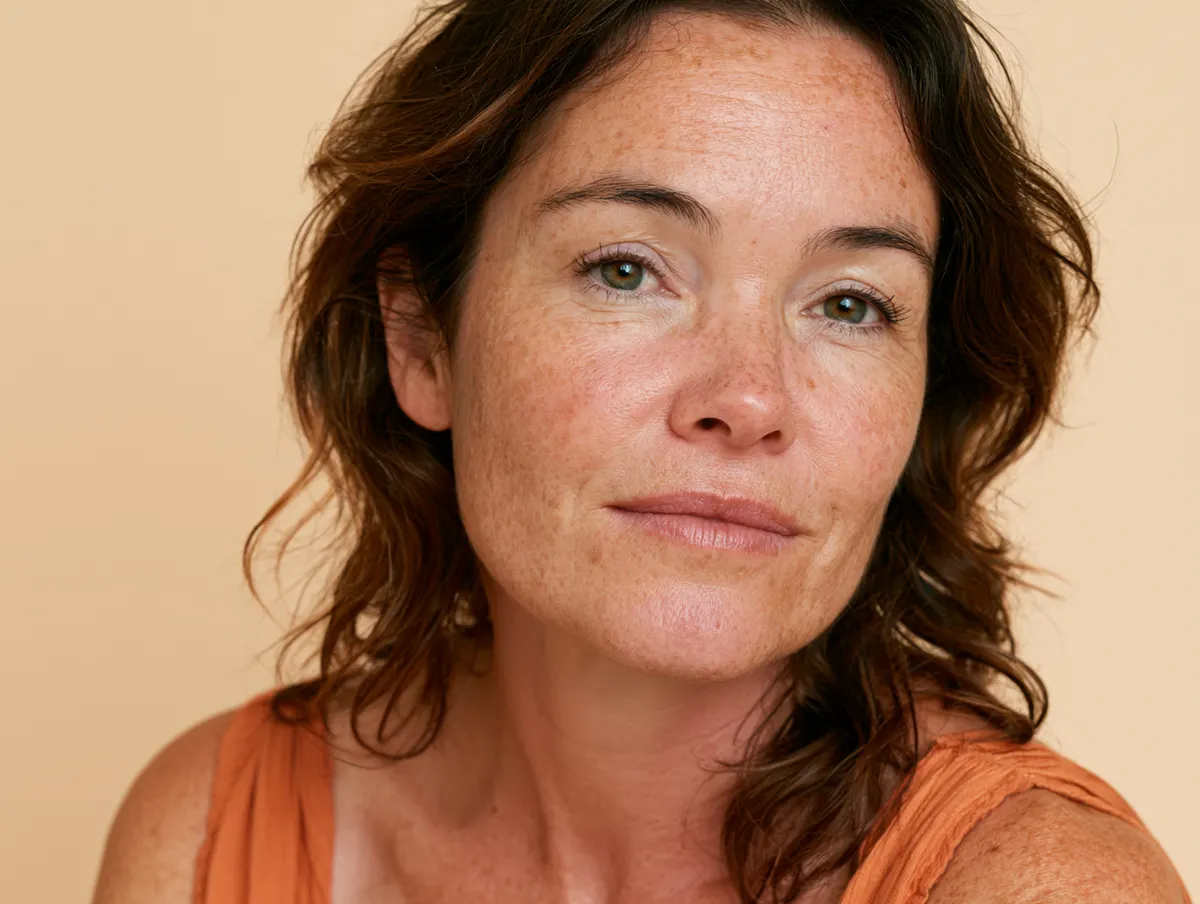
- Sun spots
- Uneven skin tone
Which treatment for which type of pigmentation?
The right treatment depends on your pigment type, how deep it sits, and your skin type. Laser isn’t always the answer, especially for melasma, where aggressive treatment can make things worse. As a general guide:
| Pigmentation type | What it looks like | Common treatments |
|---|---|---|
| Sun spots and age spots | Flat brown spots, surface pigment | IPL, Ruby laser, or Excel V+ laser |
| Freckles | Small flat tan or brown spots | IPL or Ruby laser (note they can return with sun exposure) |
| Post-inflammatory hyperpigmentation | Brown or grey marks after acne or injury | Gentle chemical peels and prescriptive skincare, with conservative laser only where appropriate |
| Melasma | Larger symmetrical brown or grey-brown patches | Chemical peels (including Cosmelan), prescriptive skincare, and strict sun protection. Aggressive laser or IPL can make melasma worse, so it’s approached carefully |
| Seborrhoeic keratosis and raised lesions | Raised, waxy brown growths | Assessed separately, not treated with pigment lasers |
| Brown or red birthmarks | Congenital pigment or vascular marks | Assessed individually, matched to a pigment or vascular treatment |
Recommended pigmentation treatments in Melbourne
We match treatment to your pigment type, how deep it sits, and your skin type. Most plans combine an in-clinic treatment with skincare and sun protection, staged over time.
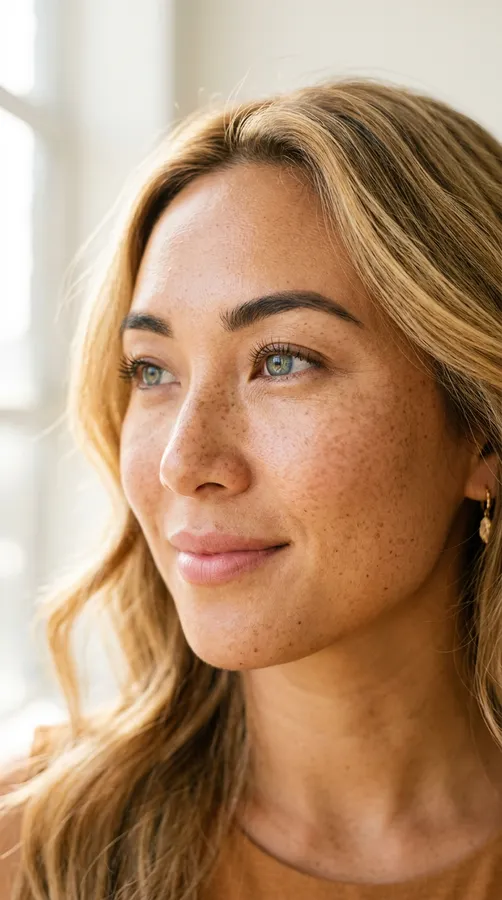
Fraxel Laser
Fractional laser technology that treats the skin in controlled microzones, promoting collagen renewal and improving texture, pigmentation, sun damage, and acne scarring.
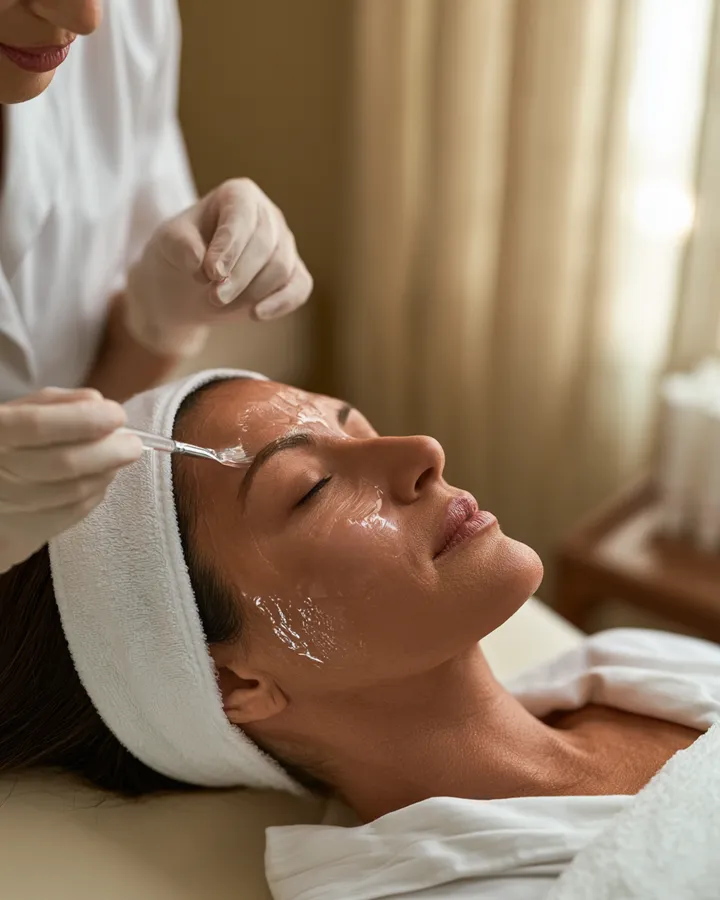
Chemical Peels
Controlled chemical resurfacing treatments that remove damaged skin cells and stimulate cell turnover, improving pigmentation, texture, fine lines, acne, and overall skin clarity.
IPL
Intense pulsed light therapy that targets pigmentation, sun damage, redness, and visible vessels by delivering broad-spectrum light to the skin’s surface.

Excel V+ Laser
A vascular and pigmentation laser that delivers precise wavelengths to target unwanted blood vessels, redness, broken capillaries, sun spots, and uneven skin tone.
Ruby Laser
A pigment-specific laser that targets melanin with precision, used to treat sun spots, age spots, freckles, and other discrete pigmented lesions.
The most effective treatment for pigmentation
The most effective treatment depends on the type of pigmentation, how deep it sits, and your skin type. Surface pigment like sun spots responds faster, while deeper or hormonal pigment like melasma improves more slowly and needs a careful, lower-risk approach. For most surface pigment, light-based treatments like IPL and pigment lasers are highly effective, while melasma is usually better managed with peels, prescriptive skincare, and strict sun protection.
Most plans combine an in-clinic treatment with skincare and sun protection over several sessions. A proper skin assessment at your consultation is what determines the right plan for your skin.
Benefits of pigmentation treatment
- 1 More even skin tone, with sun spots and brown patches fading
- 2 Improvement that builds over a course of treatment
- 3 Treatment matched to your pigment type and skin type
- 4 Doctor-led care for safety on sensitive areas and darker skin
- 5 Options suited to a range of skin types and tones
Who is pigmentation treatment for?
Most people with sun-related pigment are good candidates for treatment. Skin type matters a great deal here: some lasers and IPL carry a higher risk of burns and post-inflammatory pigment in olive and darker skin (Fitzpatrick IV to VI), so the right device, careful settings, or a gentler peel-led approach is chosen instead, and patch testing may be used.
Melasma, and active pregnancy or breastfeeding, are situations that call for a careful, often non-laser approach. Any contraindications are checked at your consultation. If you’ve been turned away or had a poor result elsewhere, we’ll take a considered, lower-risk approach suited to your skin
What to expect at your pigmentation treatment consultation
Your first visit is a consultation, not a treatment. It’s a chance to understand your pigmentation properly and decide together what makes sense, with no pressure to proceed. Here’s what happens:
-
Skin analysis and assessment
A close look at your skin using Visia analysis and clinical photography, to see both surface and deeper pigment.
-
Identifying your pigment type and skin type
So the plan is matched to you and to your Fitzpatrick skin type.
-
An honest discussion of your options
Which treatments suit you, which won’t, and where skincare and sun protection do the heavy lifting.
-
A tailored, staged plan
Often a combination of in-clinic treatment and skincare over several sessions.
-
Aftercare and complimentary reviews
Support, sun-protection guidance, and progress tracking as your treatment continues.


Results from our pigmentation treatments
Results are gradual and build over a course of treatment, with visible capillaries clearing and background redness calming session by session. It’s important to be clear that rosacea is significantly reduced and controlled rather than cured or removed, the underlying tendency remains, and flare-ups can return. Occasional maintenance treatments and good skincare are what keep the results, and how well you manage your triggers has a strong effect on how long results last.
Where redness is caused by broken capillaries or sun damage rather than rosacea, results tend to be longer-lasting once the vessels are cleared.
Individual results vary. A consultation is required to determine treatment suitability.
Downtime and recovery
Downtime depends on the treatment. IPL and Ruby laser usually involve minimal downtime, with treated spots temporarily darkening before they flake away over a few days. Fraxel and chemical peels involve more redness and peeling for several days. Cosmelan has a structured home-care phase that follows the in-clinic treatment. Most pigmentation is treated as a course, spaced several weeks apart.
Simple aftercare makes a real difference, particularly strict sun protection and gentle skincare, both of which protect your results and reduce the risk of new pigment forming.
Preventing pigmentation and stopping it coming back
Pigmentation reliably returns without good sun discipline, so prevention is a core part of treating it, not an afterthought. The basics make the biggest difference:
-
Daily sun protection
SPF is the single most important step, reapplied through the day, with a hat and shade for extra protection.
-
Don’t pick
Picking at the skin can trigger new post-inflammatory marks.
-
Pigment-supporting skincare
Helps maintain your results between treatments.
-
Treat triggers early
Manage acne and irritation before they leave marks behind
It’s important to understand that treatment fades existing pigment but doesn’t stop new pigment forming, so ongoing sun protection and maintenance are what keep your results over time.
How much does pigmentation treatment cost?
The cost of pigmentation treatment depends on the type and extent of the pigment, the treatments chosen, and the number of sessions in your plan. Because pigmentation is usually treated as a staged course rather than a single session, and often combines an in-clinic treatment with skincare, the total varies from person to person. Some treatments are priced per session.
At your consultation, we’ll assess your pigmentation, recommend a plan suited to your skin, and give you a clear breakdown of the costs before you decide, with no pressure to proceed.
Safety, risks and side effects
Pigmentation treatments are generally well tolerated when performed by experienced doctors. Because skin type has such a strong bearing on safety, we match the device and settings carefully, which matters especially for olive and darker skin, where the wrong approach carries a higher risk of burns or post-inflammatory pigment. Common side effects are usually mild and temporary, including redness, swelling, and darkening of spots before they fade.
With aggressive light on melasma there’s a risk of flaring, which is why we take a careful, lower-risk approach for melasma and darker skin. Your practitioner will discuss the specific risks of any recommended treatment before you begin.






Meet our doctors
Victorian Cosmetic Institute is a doctor-led practice, founded in 2005 by Dr Gavin Chan (MBBS, registration MED0001175745). Our multidisciplinary team brings together doctors, cosmetic nurses, and skin therapists, working to the same considered, measurement-led philosophy. Every treatment plan is guided by genuine clinical experience and a focus on natural-looking results that age well.

“Good cosmetic medicine starts with good information.”
Why choose VCI for skin pigmentation treatment
- 1 Doctor-led care since 2005, with two decades of clinical experience
- 2 The full range of options under one roof: IPL, Ruby, Excel V+, and Fraxel lasers, and peels
- 3 Treatment matched to your pigment type and skin type, not a one-size package
- 4 Safe, considered options for olive and darker skin tones
- 5 Honest advice, including when laser isn’t the right choice, such as melasma
- 6 A multidisciplinary team and consultation-led plans with complimentary reviews
What our patients say
Our patients regularly share their experience of the care and service they receive with us.
What is the best treatment for skin pigmentation?
It depends on the type of pigmentation and your skin. Surface pigment like sun spots responds well to IPL and pigment lasers such as Ruby or Excel V+. Deeper or hormonal pigment like melasma is usually better managed with chemical peels, prescriptive skincare, and strict sun protection. The right treatment is matched to your pigment type and skin type at your consultation.
Can skin pigmentation be removed permanently?
Pigmentation can be significantly improved, faded, or cleared, but it’s more accurate to talk about improvement than permanent removal. The tendency to produce pigment remains, and pigmentation can recur with sun exposure. That’s why treatment is paired with daily sun protection and skincare, which keep your results and reduce the chance of new pigment forming.
Is IPL or laser better for pigmentation?
Both work well, and the right choice depends on your pigment type and skin. IPL suits diffuse surface pigment like sun spots and freckles across larger areas, while pigment lasers such as Ruby target defined individual spots. For deeper or hormonal pigment, a peel-led approach is often safer. Your skin type also guides the choice, particularly for darker skin.
What causes skin pigmentation?
Pigmentation is caused by uneven melanin production. The main triggers are sun and UV exposure (behind most sun spots and age spots), hormones (the main driver of melasma), inflammation or skin injury (post-acne and post-inflammatory marks), ageing, and a genetic tendency. Sun exposure and picking at the skin both make pigmentation worse.
How many sessions do you need for pigmentation?
Pigmentation is usually treated as a course rather than a single session. The number depends on the type and depth of pigment and is confirmed at your consultation. Surface pigment often clears in fewer sessions, while deeper or hormonal pigment like melasma takes longer and needs ongoing maintenance. Sessions are usually spaced several weeks apart.
Does pigmentation treatment work on olive and darker skin?
Yes, but treatment selection matters a great deal. Some lasers and IPL carry a higher risk of burns and post-inflammatory pigment in olive and darker skin, so the right device, careful settings, or a gentler peel-led approach is chosen instead, and patch testing may be used. We take a considered, lower-risk approach suited to your skin type.
Why can’t melasma just be treated with laser?
Melasma is a stubborn, hormonally driven pigment that sits deeper and flares easily. Aggressive laser or IPL can actually make melasma worse, triggering more pigment rather than less. For that reason, melasma is usually managed with chemical peels, prescriptive skincare, and strict sun protection first, with laser used cautiously and only where appropriate. It’s managed carefully rather than blasted away.
How much does pigmentation treatment cost in Melbourne?
The cost depends on the type and extent of the pigmentation, the treatments chosen, and the number of sessions in your plan. Because pigmentation is treated as a staged course, the total varies from person to person. At your consultation, we’ll give you a clear breakdown of the costs before you decide, with no pressure to proceed.