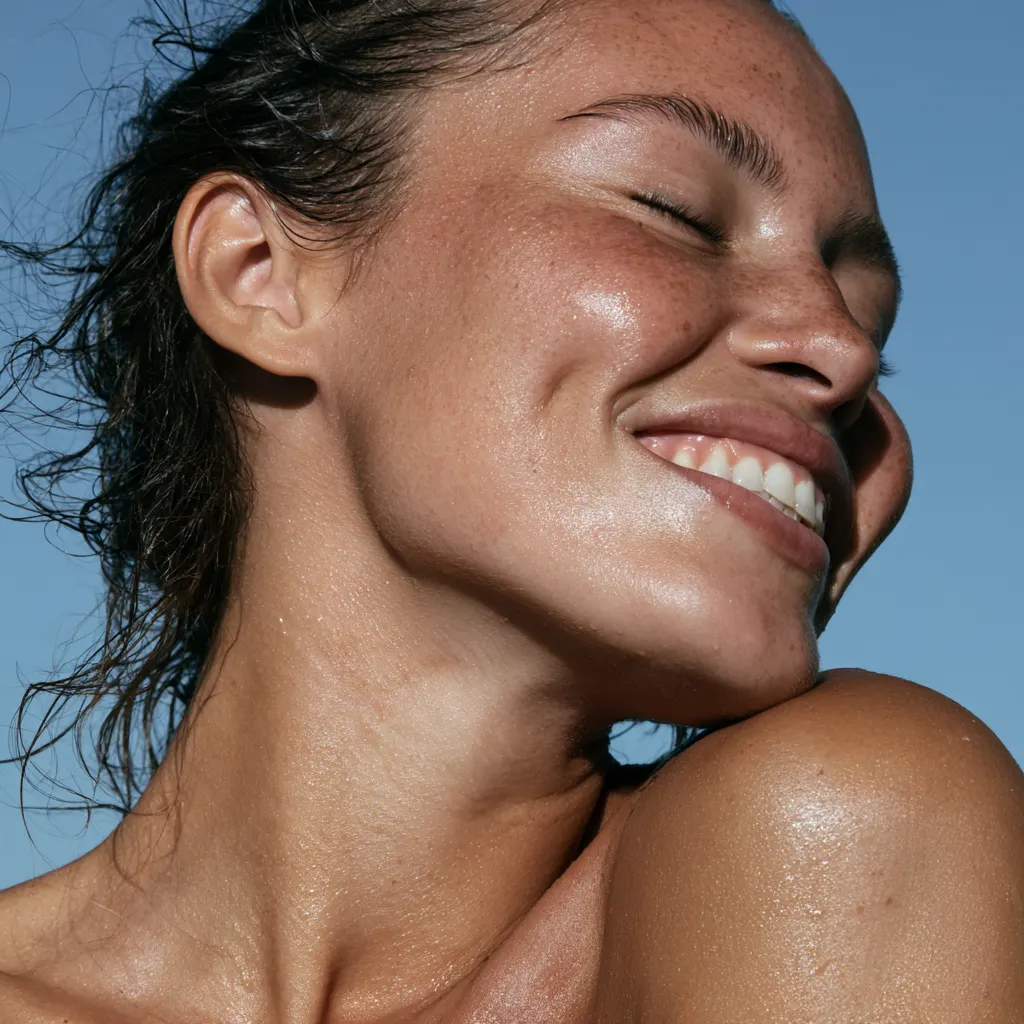
- Persistent redness, flushing, broken capillaries, and rosacea bumps
- We work out what’s causing your redness, then match the treatment
- Medical-grade options: vascular laser, IPL, LED, and skincare
- Honest, doctor-led care with realistic expectations
- Doctor-led since 2005, careful with sensitive skin
Living with a face that’s constantly red, flushed, or blotchy can wear you down, especially when skincare and redness creams haven’t settled it. Facial redness has several causes, the most common being rosacea, so the first step is understanding what’s driving yours. At Victorian Cosmetic Institute, we’ve offered doctor-led care since 2005, with medical-grade options matched to the cause and to your skin
What is facial redness, and what causes it?
Facial redness is persistent or easily triggered redness across the cheeks, nose, chin, or forehead, and it has several different causes. Working out which one is behind your redness is the first step, because the right treatment depends on the cause. The common causes include:
-
Rosacea
The most common cause of persistent facial redness, a chronic condition covered in detail below.
-
Broken capillaries (telangiectasia)
Small visible blood vessels, often on the cheeks and around the nose, from sun damage, ageing, or genetics.
-
Sensitive or reactive skin
A compromised skin barrier that flushes, stings, or reddens easily in response to products, weather, or heat.
-
Flushing and blushing
Episodes of redness triggered by heat, alcohol, spicy food, exercise, or emotion, which can become more persistent over time.
-
Sun damage
Cumulative UV exposure that leaves a ruddy, uneven, capillary-marked complexion.
-
Post-acne and post-inflammatory redness
Lingering redness after breakouts or irritation, more persistent in some skin types.
The first job at a consultation is working out which of these is causing your redness, because the right treatment depends on the cause.
What is rosacea?
Rosacea is a common, long-term skin condition that causes persistent facial redness, flushing, and sometimes visible blood vessels or bumps, usually across the nose, cheeks, forehead, and chin. It affects roughly one in twenty people. Rosacea is chronic and relapsing, which means it tends to come and go over time, so where redness is caused by rosacea, the goal of treatment is to control and reduce it rather than cure it.
What causes rosacea?
The exact cause of rosacea isn’t fully understood, but it involves a combination of factors. These include abnormalities in the blood vessels that make the face flush and stay red, sun and UV damage, an overactivity of the Demodex skin mite that naturally lives on the skin, a genetic tendency, and an inflammatory response in the skin.
Because these underlying factors don’t go away, the redness tends to keep returning, which is why rosacea is managed over time rather than resolved in one course of treatment. Understanding what’s driving it helps shape both the treatment and the trigger management that keeps it under control.
Who gets rosacea?
Rosacea most commonly appears between the ages of 30 and 50, and is more common in fair skin and in people who flush easily. It affects all genders, though it can be under-recognised in men, where it can become more advanced before it’s treated. There’s often a family history. If you have rosacea, you’re far from alone, it’s common and very treatable.
Types of rosacea
These subtypes can overlap, and not all facial redness is rosacea, sensitivity, flushing, and isolated broken capillaries can look similar. That’s why identifying the type of redness comes first.
Redness and visible vessels (erythematotelangiectatic)
Persistent redness across the central face with flushing and visible broken capillaries. This is the most common type, and the one that responds best to vascular laser and IPL.
Bumps and pimples (papulopustular)
Redness with acne-like bumps and pus-filled spots, often mistaken for adult acne. Usually managed with prescriptive skincare or doctor-prescribed medication, with light-based treatment for the underlying redness.
Skin thickening (phymatous)
Thickening of the skin, most often on the nose, known as rhinophyma, from long-standing rosacea. Less common, and may be improved with ablative laser resurfacing in advanced cases.
Eye involvement (ocular)
Dry, gritty, irritated, or red eyes and lids, which can occur with or without skin symptoms. This needs medical assessment and is often co-managed with an eye doctor, so we’ll flag it rather than treat it with laser.
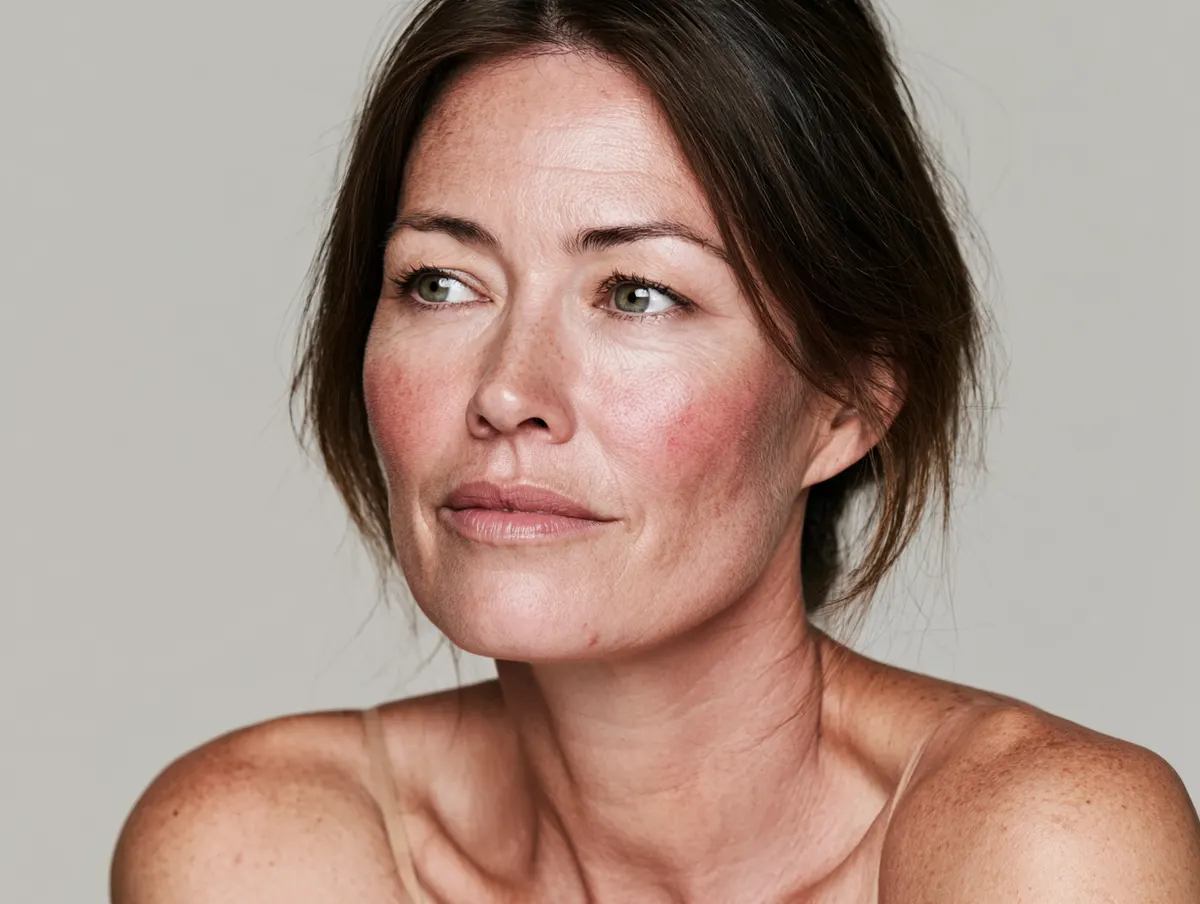
- Nose redness
- Cheek erythema
Which treatment for which type of redness?
Because facial redness has different causes, the right treatment depends on which type you have. It’s honest to say upfront that laser settles the redness but doesn’t cure the underlying tendency, so treatment is matched to your specific pattern of redness rather than one machine used for everything.
| Redness type | What it looks like | Common treatments |
|---|---|---|
| Persistent background redness and flushing | Diffuse redness across the cheeks and central face | Excel V+ vascular laser and IPL to calm diffuse redness, with skincare and trigger management |
| Visible broken capillaries | Individual red vessels, often on the cheeks and nose | Excel V+ vascular laser, which targets individual vessels precisely |
| Rosacea bumps and pustules | Acne-like bumps with redness | Prescriptive skincare and doctor-prescribed medication where appropriate, with LED to calm inflammation and laser for residual redness |
| Thickened skin on the nose (rhinophyma) | Enlarged, thickened nose skin | Ablative laser resurfacing, advanced cases only and assessed individually |
| General redness or sensitivity (not rosacea) | Easily flushed, reactive skin | Barrier-supporting skincare, LED, and a gentle approach rather than aggressive treatment |
| Eye symptoms (ocular rosacea) | Dry, gritty, red eyes | Medical assessment first, often co-managed with an eye doctor, not treated with laser |
Recommended redness and rosacea treatments in Melbourne
We match treatment to the type of redness you have, your skin, and what’s driving it. Most plans combine an in-clinic treatment with skincare and trigger management, staged over time.

Excel V+ Laser
A vascular and pigmentation laser that delivers precise wavelengths to target unwanted blood vessels, redness, broken capillaries, sun spots, and uneven skin tone.
Emfusion
A combined treatment platform that pairs radiofrequency skin tightening with muscle stimulation, addressing both skin quality and underlying facial structure simultaneously.
Prescriptive skincare and medical management
Doctor-guided skincare, such as gentle barrier-supporting cleansers, niacinamide, and daily SPF, and where appropriate, doctor-prescribed medication, supports every in-clinic plan, calms inflammation, and helps keep rosacea under control between treatments.
Best for: Calming inflammation, supporting every plan, and maintaining results
The most effective treatment for rosacea
The most effective treatment depends on the type of rosacea and what’s driving the redness. For visible capillaries and persistent background redness, vascular laser (Excel V+) is the most effective option, while the bumps of rosacea usually need a skincare or medication-led approach. Most plans combine an in-clinic treatment with skincare, sun protection, and trigger management over several sessions.
What matters is a proper skin assessment, which is what your consultation is for. It’s also honest to be clear that treatment controls and significantly reduces rosacea, but doesn’t cure the underlying tendency, so ongoing maintenance keeps the results.
Benefits of redness and rosacea treatment
- 1 Calmer, more even skin tone with less visible redness
- 2 Clearing of broken capillaries
- 3 Fewer and less intense flare-ups
- 4 Improvement that builds over a course of treatment
- 5 A plan matched to your type of rosacea and your skin, delivered with care on sensitive, reactive skin
Who is redness and rosacea treatment for?
Most people with persistent facial redness, flushing, or broken capillaries are good candidates for vascular laser or IPL, and the consultation confirms whether the redness is rosacea or something else. Very sensitive or reactive skin is treated conservatively, with careful settings. The bumps of rosacea often need a skincare or medication-led approach first, and ocular symptoms need medical assessment rather than laser.
As always, contraindications such as active infection, certain medications, recent sun exposure or a tan, and pregnancy for some treatments are checked at your consultation. If you’ve been made worse by aggressive treatment elsewhere, we’ll take a careful, considered approach.
What to expect at your rosacea treatment consultation
Your first visit is a consultation, not a treatment. It’s a chance to understand your redness properly and decide together what makes sense, with no pressure to proceed. Here’s what happens:
-
Skin analysis and assessment
A close look at your skin using Visia analysis and clinical photography, to map your redness, vessels, and any bumps.
-
Identifying your type of redness
Confirming whether it’s rosacea, flushing, or broken capillaries, so the plan is matched to you
-
An honest discussion of your options
Which treatments will help, which won’t, and where skincare, sun protection, and trigger management do the heavy lifting.
-
A tailored, staged plan
Often a combination of in-clinic laser or IPL, calming treatments, and skincare over several sessions.
-
Aftercare and complimentary reviews
Support, trigger and sun-protection guidance, and progress tracking as your treatment continues.
Results from our redness and rosacea treatments
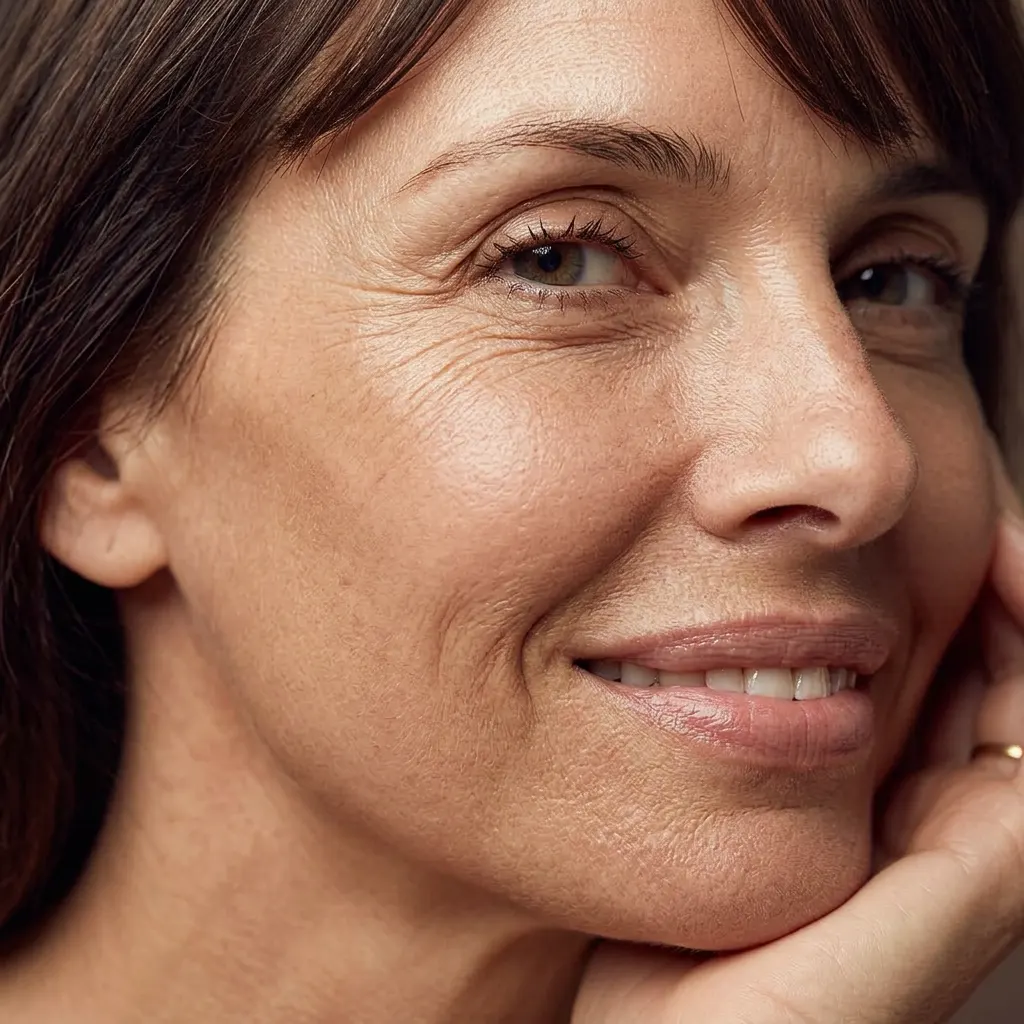
Results are gradual and build over a course of treatment, with visible capillaries clearing and background redness calming session by session. It’s important to be clear that rosacea is significantly reduced and controlled rather than cured or removed, the underlying tendency remains, and flare-ups can return. Occasional maintenance treatments and good skincare are what keep the results, and how well you manage your triggers has a strong effect on how long results last.
Where redness is caused by broken capillaries or sun damage rather than rosacea, results tend to be longer-lasting once the vessels are cleared.
Individual results vary. A consultation is required to determine treatment suitability.
Downtime and recovery
Downtime depends on the treatment. Vascular laser and IPL usually involve minimal downtime, with some redness and occasional temporary darkening of the treated vessels that settles over a few days. Ablative resurfacing, used only for advanced rhinophyma, involves more redness and a longer healing time. Most treatments are done as a course, spaced several weeks apart.
Simple aftercare helps: strict sun protection, gentle skincare, and avoiding heat and known triggers for a few days after treatment.

Managing triggers and preventing flare-ups
For rosacea in particular, managing your triggers is one of the most effective things you can do, and it works alongside any in-clinic treatment. Common triggers include:
-
Sun exposure
-
Heat and temperature extremes
-
Hot drinks, alcohol, and spicy foods
-
Stress and intense exercise
-
Hormonal changes
The prevention basics make a real difference: daily broad-spectrum SPF, a gentle barrier-supporting skincare routine, identifying and avoiding your personal triggers (a trigger diary helps), and treating flares early before they settle in. Managing your triggers won’t cure rosacea, but it markedly reduces flare-ups and helps your treatment results last longer.
How much does rosacea treatment cost?
The cost of rosacea and redness treatment depends on the type and severity of the redness, the treatments chosen, the area treated, and the number of sessions in your plan. Because redness is usually treated as a staged course rather than a single session, and often combines an in-clinic treatment with skincare and trigger management, the total varies from person to person.
Some treatments are priced per session. At your consultation, we’ll assess your redness, recommend a plan suited to your skin, and give you a clear breakdown of the costs before you decide, with no pressure to proceed.
Safety, risks and side effects
Redness and rosacea treatments are generally well tolerated when performed by experienced doctors. Because this is a sensitive concern, we match the device and settings carefully to your skin and the type of rosacea, which matters especially for reactive skin. There’s honest discussion of the risks, which can include temporary redness, swelling, mild bruising, or darkening of the treated vessels, and rarely blistering or pigment change if aftercare isn’t followed.
We take a careful, conservative approach for sensitive, reactive skin, and sun protection before and after treatment is important. Your practitioner will talk through the specific risks of any recommended treatment before you begin.





Meet our doctors
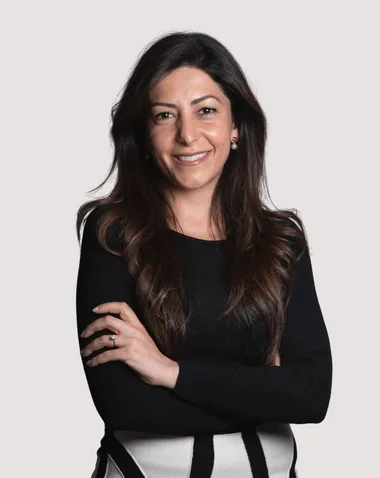
Victorian Cosmetic Institute is a doctor-led practice, founded in 2005 by Dr Gavin Chan (MBBS, registration MED0001175745). Our multidisciplinary team brings together doctors, cosmetic nurses, and skin therapists, working to the same considered, measurement-led philosophy. Every treatment plan is guided by genuine clinical experience and a focus on natural-looking results that age well.

“Good cosmetic medicine starts with good information.”
Why choose VCI for redness and rosacea treatment
- 1 Doctor-led care since 2005, with two decades of clinical experience
- 2 The full range of options under one roof: vascular laser, IPL, and prescriptive skincare
- 3 Treatment matched to your type of redness and your skin, not a one-size package
- 4 A careful, conservative approach for sensitive, reactive skin
- 5 Honest advice on what treatment can and can’t do for a chronic condition
What our patients say
Our patients regularly share their experience of the care and service they receive with us.
What causes facial redness?
Facial redness has several causes. The most common is rosacea, a chronic condition, but redness can also come from broken capillaries, sensitive or reactive skin, flushing and blushing, sun damage, or lingering redness after breakouts. Because the right treatment depends on the cause, the first step is working out which one is behind your redness, which we do at your consultation.
What is the best treatment for facial redness and rosacea?
It depends on the type of redness. Vascular laser (Excel V+) is the most effective option for visible capillaries and background redness, while IPL suits diffuse redness and flushing. The bumps of rosacea usually need a skincare or medication-led approach. Most plans combine an in-clinic treatment with skincare and trigger management, matched to your skin at consultation.
Can rosacea be cured?
Rosacea can’t be cured, but it can be significantly reduced and well controlled. It’s a chronic condition, so the underlying tendency remains and flare-ups can return. Treatment clears visible capillaries, calms background redness, and reduces how often you flare. Ongoing maintenance, good skincare, and managing your triggers are what keep the results over time.
Is IPL or laser better for rosacea?
Both work well, and the right choice depends on your redness. Vascular laser (Excel V+) targets individual broken capillaries and background redness with precision, while IPL treats more diffuse redness and flushing across larger areas, and can improve sun damage at the same time. Many plans use one or the other, or both, matched to your skin at consultation.
Can broken capillaries be treated?
Yes. Broken capillaries (telangiectasia) respond well to vascular laser, which targets the vessels directly so the body can clear them. Once treated, cleared vessels tend not to return in the same spot, though new ones can develop over time with sun exposure or ageing. Daily sun protection helps keep results lasting.
What triggers rosacea flare-ups?
Common triggers include sun exposure (the biggest one), heat and temperature extremes, hot drinks, alcohol, spicy foods, stress, intense exercise, and hormonal changes. Triggers vary from person to person, so identifying your own (a trigger diary helps) is an important part of managing rosacea. Avoiding your triggers markedly reduces flare-ups.
How many laser sessions do I need for rosacea?
Rosacea and redness are usually treated as a course rather than a single session. The number depends on the type and severity of your redness and is confirmed at your consultation. Improvement builds across the course, with sessions spaced several weeks apart, and occasional maintenance treatments help keep the results.
How much does rosacea treatment cost in Melbourne?
The cost depends on the type and severity of the redness, the treatments chosen, and the number of sessions in your plan. Because redness is treated as a staged course, the total varies from person to person. At your consultation, we’ll give you a clear breakdown of the costs before you decide, with no pressure to proceed.